
How Often Should a Business Change Locks
Locks might seem low maintenance, but they’re not designed to last forever. Daily use, weather exposure and general wear and tear can gradually weaken the hardware, making it easier to tamper with or more likely to fail when it’s needed most. A quick review every so often helps catch these issues before they turn into security risks.
Staff changes are another major reason to stay on top of lock security. When employees move on, contractors finish a job or access needs shift, it’s important to make sure old keys aren’t floating around. Even when keys are meant to be returned, it’s not guaranteed they always are.
Lost keys are a common trigger for updating or rekeying locks. It only takes one misplaced key to create an opportunity for unauthorised access. If there’s any doubt about where a key ended up, reviewing the locks is the safest choice.
Security standards evolve too. What was considered strong protection ten years ago may no longer meet modern expectations. Older locks may not be resistant to current break in techniques or may lack the durability required for commercial use today.
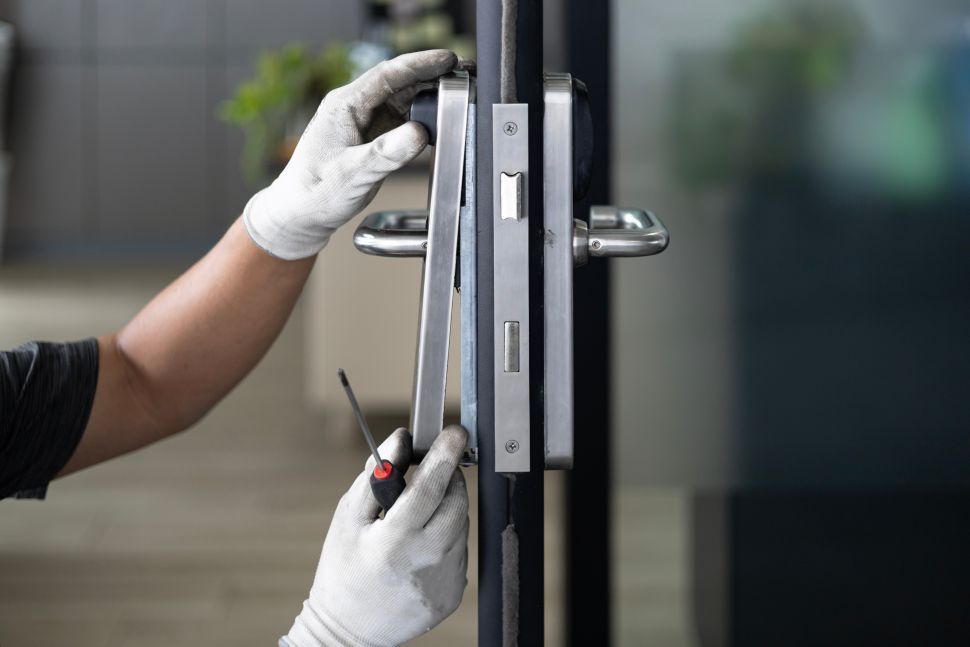
Insurance and compliance also play a role. Some policies and building regulations require locks to meet certain grades or be maintained to a particular standard. Regular reviews help ensure a business remains compliant, avoiding disputes if a claim ever needs to be made.
Overall, reviewing locks regularly is an easy way to stay ahead of potential security gaps and ensure the building remains protected as circumstances change.
How Often Should Locks Be Changed
There’s no single rule that fits every business, but a common guideline is to review commercial locks at least once a year and consider replacement every three to five years. This ensures the hardware stays reliable and keeps up with changing security needs. For some sites, especially those with high foot traffic or sensitive access areas, changes may need to happen sooner.
Several factors can shorten the lifespan of a lock. Doors that are used constantly, such as main entry points or storerooms, naturally wear out faster. Harsh environments like dusty workshops, coastal locations or areas exposed to weather can also cause locks to deteriorate more quickly. Outdated hardware that doesn’t meet modern security standards might need upgrading even if it appears to be working fine.
Sometimes a full lock replacement isn’t necessary. Rekeying can be a cost effective and secure option when the lock body is still in good condition. This process changes the internal pins so old keys no longer work, allowing the business to issue a new set without replacing the entire lock. It’s ideal when keys are lost, tenants change or staff turnover occurs.
Full replacement is the better option when the lock is damaged, worn out, outdated or no longer provides adequate protection. It’s also recommended when upgrading to restricted key systems or integrating with modern access control. Knowing when to rekey and when to replace helps businesses maintain strong security without unnecessary costs.
Situations That Require Immediate Lock Replacement
Some situations call for a lock change straight away, even if the hardware appears to be functioning normally. Acting quickly helps prevent further risk and restores control over who can access the building.
Break ins or attempted forced entry
If a door has been tampered with or someone has tried to force their way inside, the integrity of the lock can’t be guaranteed. Even minor damage can weaken internal components, making the lock easier to bypass. Replacing it immediately is the safest option.
Lost master keys
A missing master key is a serious security threat, as it may open multiple areas within the building. When there's any chance it could fall into the wrong hands, prompt replacement is essential to protect staff, tenants and assets.
Staff termination under sensitive circumstances
If an employee leaves abruptly or under difficult conditions, replacing or rekeying the locks helps prevent unauthorised access after their departure. This is especially important when the person previously had access to restricted or high risk areas.
Vendor or contractor access concerns
Contractors and external vendors often require temporary access, but keys and codes aren’t always returned or reset. If there’s uncertainty about who still has access, updating the locks prevents future issues.
Tenancy changes in commercial buildings
When a tenant moves out, it’s wise to replace or rekey the locks before the next business moves in. This eliminates the risk of former tenants or their contractors accessing the property after vacating.
Addressing these situations immediately helps restore peace of mind and ensures the building remains secure.
Best Practices for Property Managers
Staying organised and proactive with lock security makes a big difference to how smoothly a commercial property operates. A few simple practices can help maintain strong protection and reduce the risk of gaps or misunderstandings.
- Creating a lock and key management policy. A clear policy sets expectations for how keys are issued, stored and returned. It helps ensure everyone follows the same process and makes it easier to manage access across multiple tenants or staff.
- Maintaining a key register. Keeping an up to date register of who holds which keys is essential. This record should include issue dates, return dates and any changes made over time. A well maintained register allows property managers to identify missing keys quickly and take appropriate action.
- Scheduling annual security reviews. Regular reviews help catch worn hardware, outdated locks or signs of tampering. An annual check-up also ensures the system still matches the building’s current security needs, especially if tenants, staff or access requirements have changed.
- Coordinating with contractors and tenants. Good communication prevents confusion about who has temporary access. Make sure contractors return keys promptly and that tenants understand their responsibilities around security. This reduces the risk of keys being duplicated, lost or misused.
- Documenting changes for compliance and insurance. Any updates to locks, rekeying work or access changes should be recorded. Proper documentation helps meet insurance requirements and provides a clear history of security actions, which can be crucial during claims or audits.
These practices create a structured approach that supports long term security and smoother building management.
Benefits of Upgrading to Modern Security Solutions
Upgrading to modern security solutions offers far more than just new hardware. It enhances how easily and effectively access can be managed across a commercial property.
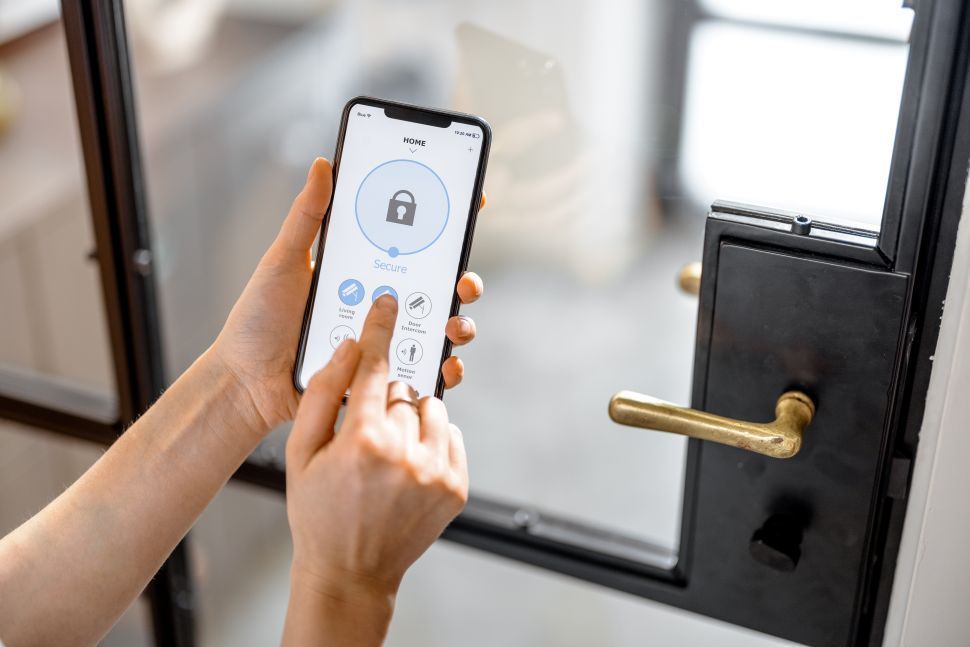
One of the biggest advantages is improved key control. Modern systems, especially restricted key systems and digital access control solutions, make it harder for keys to be duplicated and provide tighter oversight of who can access specific areas. This reduces the risk of unauthorised entry and gives property managers greater confidence in the building’s overall security.
Modern locks and access control hardware are also built for durability. They’re designed to handle higher foot traffic, harsh conditions and long term use without the frequent issues that older locks can develop. This means fewer breakdowns, fewer locksmith callouts and better long term reliability.
Upgrading can also simplify day to day management. Digital and electronic systems allow access to be added or removed instantly, without needing to track down old keys or replace hardware. This is especially helpful in buildings with frequent staff turnover, multiple tenants or contractor access needs.
Integration is another major benefit. Modern solutions can connect with alarms, intercoms, CCTV and building management systems, creating a more cohesive security network. This allows for smarter monitoring and quicker responses when something doesn’t look right.
Finally, updated systems often improve tenant satisfaction. A secure, well maintained building feels more professional and trustworthy, which adds value for businesses renting the space.
What's next?
Staying on top of lock maintenance and knowing when to update your security hardware is an essential part of managing any commercial property. Regular reviews, timely upgrades and clear processes help reduce risk, protect tenants and keep the building operating smoothly.
For property managers who want expert guidance on improving building security, our Perth based Locksmith company can help. Learn more about your options by exploring our access control systems, restricted key systems and other commercial locksmith services, and speak with our team for advice on the best solutions for your site.
__________________
Commercial Locksmiths Perth
Phone: 08 9446 1333
Mobile: 0409 043 588



-88x87-1920w.png)