
Best Security Measures for Retail Stores
Retail stores deal with security pressures that most other businesses don’t experience. With constant foot traffic, open access to products and a mix of staff, customers and delivery personnel, keeping everything secure requires more than just a good lock on the front door. Every day, stores deal with risks like shoplifting, after hours break ins, unauthorised access to stock areas and the ongoing problem of managing keys or entry codes.
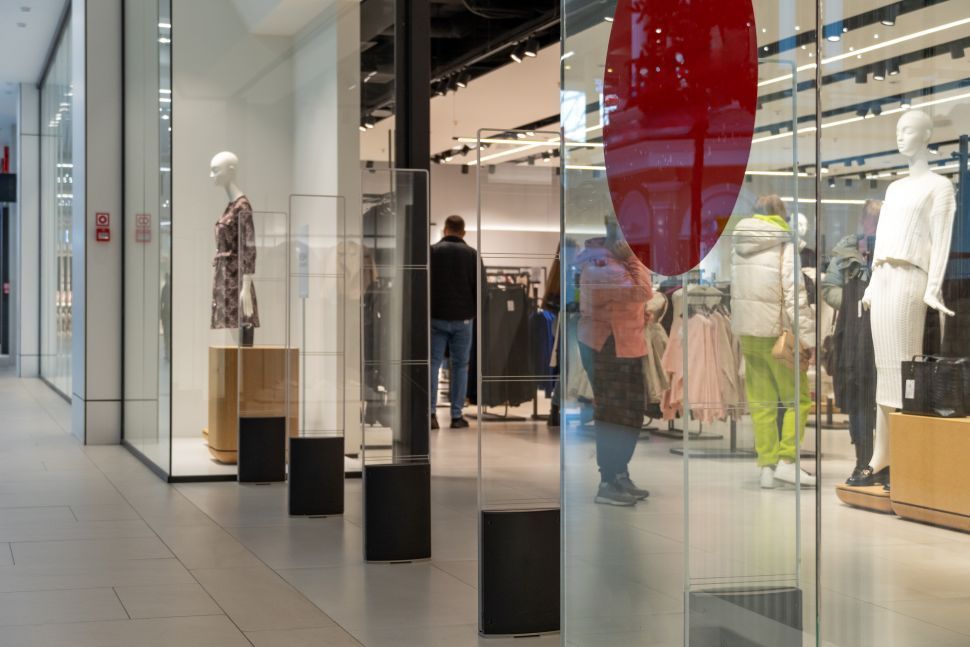
These challenges make it essential for retailers to take a layered approach to security. No single measure can protect a store on its own. Instead, combining strong physical security, smart access control and clear internal processes creates a system that works together to prevent theft, protect valuable stock and keep staff safe. This article explores the most effective strategies to help retail stores build a stronger, more reliable security setup.
Key Weak Points That Criminals Target in Retail Stores
Retail stores have several areas that attract unwanted attention, and understanding these weak points is the first step to strengthening overall security.
- External theft and burglary. Break ins often happen after hours when the store is unoccupied. Criminals may target front entrances, rear access points or windows to gain quick entry and grab high value items before alarms activate or staff can respond.
- Internal theft. Not all losses come from outside. Staff or contractors with access to stockrooms, cash or high value items can contribute to shrinkage if proper controls aren’t in place. Without clear access management, it becomes difficult to pinpoint where losses occur.
- Uncontrolled access to storerooms or offices. Back of house areas often contain cash, paperwork, stock, personal belongings and equipment. If these spaces aren’t secured, anyone from staff to delivery drivers could enter without permission, creating unnecessary risk.
- Vulnerable entry points such as rear doors. Rear service doors are one of the most common weak spots in retail security. They’re often out of view, used frequently for deliveries and can be easier to tamper with if not reinforced properly.
- Cash handling and high value item protection. Areas where cash is counted or where high value items are stored—like jewellery, electronics or small portable goods—are prime targets. Without secure storage, restricted access and surveillance, these spots become easy opportunities for theft.
Stronger Physical Security for Retail Stores
Physical security is the foundation of any retail protection strategy. When doors, locks and entry points are reinforced properly, it becomes much harder for criminals to gain access or exploit weak spots.
The first step is installing commercial grade locks designed to handle high traffic and resist tampering. These locks provide a higher level of durability than standard residential hardware and offer better protection against forced entry techniques.
Reinforced door hardware is equally important. This includes stronger strike plates, solid door frames and quality deadbolts that can withstand impact. Adding security plates or anti jemmy features can also help prevent tools from being used to pry doors open.
For stores with large glass frontages or street facing windows, security shutters or grilles offer valuable after hours protection. They act as a visible deterrent and create a physical barrier that slows down attempts to break in, giving alarms more time to activate and respond.
High risk entry points, such as rear service doors or side access areas, should be prioritised. These locations are often out of sight and can be the easiest place for intruders to target. Upgrading hinges, adding door closers and ensuring the locks are commercial grade significantly reduces vulnerability.
A strong physical security setup creates the base layer that all other systems rely on. When reinforced properly, it becomes much harder for criminals to enter the store, which helps protect stock, equipment and staff at all times.
Building a Complete Security Setup for Retail Stores
Creating a secure retail environment isn’t about relying on one tool or system. It’s about combining several practical measures that work together to control access, protect stock, deter theft and reduce blind spots across the store.
- Managing Access. Traditional keys can be difficult to manage in busy retail environments. They’re easy to misplace, hard to track and can be copied without permission. Many stores now prefer simple keypad entry for staff rooms or storerooms, as it removes the need for physical keys and keeps access limited to people who know the code. Card based systems provide even more control by recording who enters certain areas and when, which helps reduce internal theft and supports better accountability. For stores still using physical keys, restricted key systems offer stronger protection by preventing unauthorised duplication.
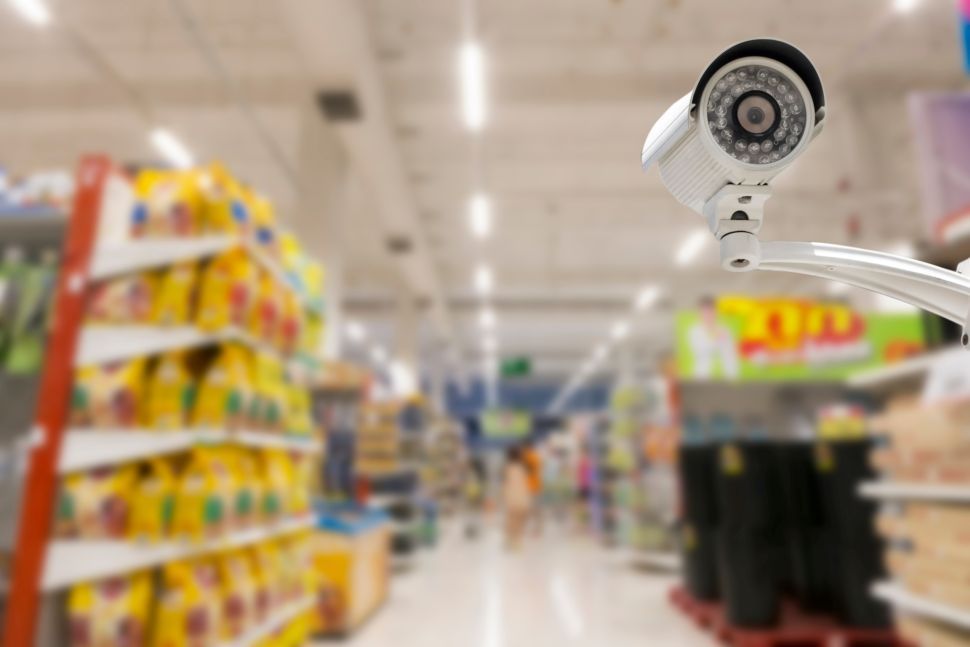
- Surveillance and CCTV. Surveillance also plays an important role in preventing theft and monitoring activity. Placing CCTV cameras at entry points, cash handling areas, aisles with high value items and blind spots helps store owners see what’s happening throughout the day. Motion sensors and after hours alerts add another layer of protection by notifying staff of unusual activity. Remote monitoring makes it easy to check in on the store at any time, and combining surveillance with controlled access strengthens overall security.
- Cash Handling and High Value Stock. Handling cash and storing high value stock requires extra care. Lockable cabinets, time delay safes and controlled access to back offices make it harder for both opportunistic thieves and internal staff to access sensitive areas. Items like jewellery, electronics and small portable goods should be stored in secure, tamper resistant locations to reduce shrinkage and protect valuable inventory.
- Managing Deliveries and Back of House Areas. Back of house security is just as important as the front of the store. Delivery entrances should be well secured, and temporary access for couriers should be managed carefully to prevent unauthorised entry. Training staff to watch for tailgating or people trying to slip through open doors helps maintain better control over who enters restricted areas.
- Lighting and Visibility. Lighting is another simple but powerful deterrent. Bright external lighting and sensor lights near entry points make it harder for intruders to approach unnoticed. Inside the store, maintaining good visibility discourages theft by reducing hiding spots and ensuring staff have a clear view of high risk zones.
When these measures work together, they create a layered security approach that protects stock, staff and the store’s reputation. A balanced system increases safety, reduces theft and provides long term peace of mind for owners and managers.
Staff Training and Policy Development
Even the best security equipment won’t be effective if staff don’t know how to use it properly. Clear policies and well trained teams play a major role in preventing theft, maintaining safe access and responding quickly when something doesn’t seem right.
Training should start with the basics: opening and closing procedures, how to secure doors, and what to do if a key, code or access card goes missing. When staff understand why these steps matter, they’re more likely to follow them consistently.
Clear guidelines around key and code management are essential. Staff should know who is allowed into certain areas, how to request access and when codes need to be updated. This helps reduce unnecessary access to storerooms, cash handling zones or offices where valuable items and information are kept.
Encouraging staff to report suspicious behaviour—whether from customers, contractors or colleagues—can also make a big difference. Quick reporting helps prevent small concerns from becoming bigger problems.
Policies around stock handling and inventory control support security too. When staff follow consistent processes, it becomes easier to detect unusual patterns or identify potential shrinkage.
Strong training and clear procedures empower staff to protect the store every day. When everyone understands their role in security, the entire environment becomes safer, more organised and much harder for criminals to exploit.
When to Review or Upgrade Security
Security should be checked regularly to stay effective. A review is essential after any theft, attempted break in or suspicious activity, as these incidents often reveal weak points. Updates are also important when staff leave, especially if they had access to restricted areas, to ensure old codes or keys can’t be misused.
If the store has been renovated or the layout has changed, new blind spots or access risks may appear, making an update necessary. Hardware that’s old, worn or no longer meets modern standards is another clear sign it’s time to upgrade.
Scheduling a yearly security review helps keep everything working properly and ensures the store stays protected as risks evolve.
If you’re looking to improve your store’s security or need advice on the right solutions for your setup, the our team in Perth can help. Our Perth locksmith experts can assess your site and recommend practical upgrades to keep your business protected.
__________________
Commercial Locksmiths Perth
Phone: 08 9446 1333
Mobile: 0409 043 588




-88x87-1920w.png)