
Card Readers or Keypads? How to Pick the Right System for Your Business
As workplaces become more digital and teams rely on smoother day to day operations, smart access control has quickly become an essential part of modern security. The right system doesn’t just protect doors, it helps manage who can enter certain areas, reduces the risk of unauthorised access, and supports a more efficient workflow for staff and visitors.
Card readers and
keypad entry systems are two of the most common options used in commercial environments, each offering its own strengths, limitations and ideal use cases.
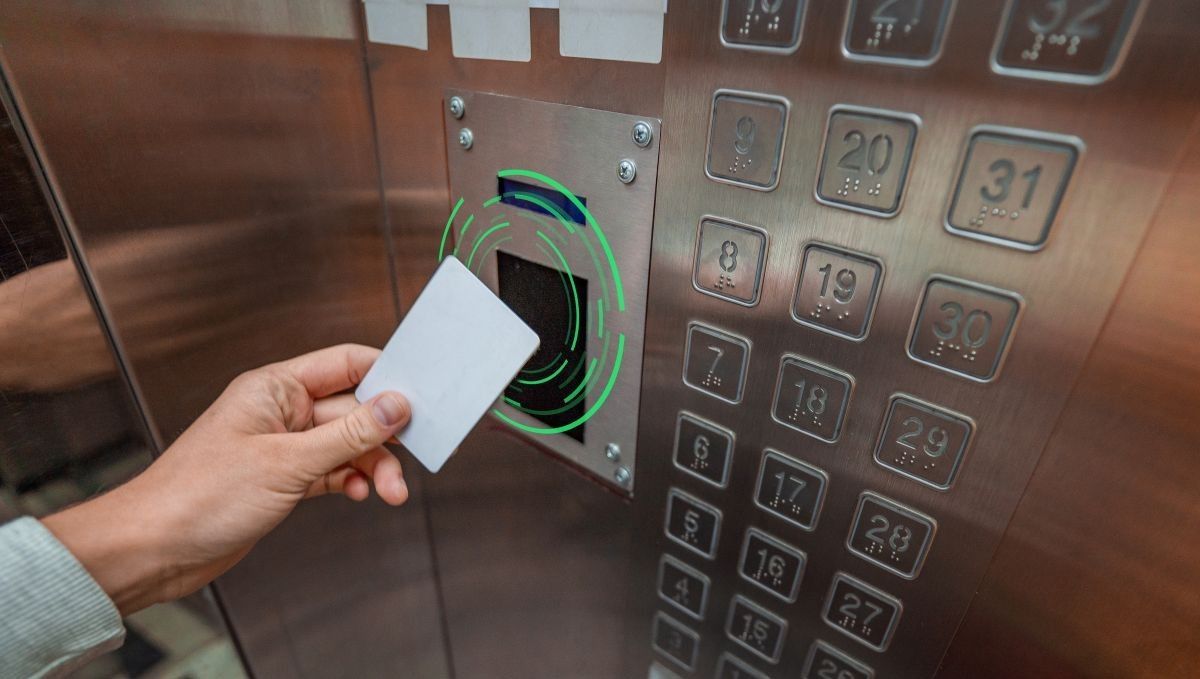
How Card Reader Access Control Works
Card reader systems are one of the most common ways businesses manage who can enter different areas. Instead of using a traditional key, staff are given a card or fob that holds a unique digital credential. When they tap or swipe it against the reader, the system checks whether that person has permission to access the door they’re trying to open.
There are a few types of readers, including swipe readers, proximity readers and contactless tap systems. Modern setups typically use contactless technology, which is faster, more reliable and harder to tamper with.
Authentication happens instantly. The reader sends the card’s encrypted data to the access control system, which then approves or denies entry based on the user’s assigned permissions. This process creates a digital trail that shows who entered which areas and when, making it easier to monitor activity and manage security.
Card readers are commonly used in offices, warehouses, retail stores, multi tenant buildings, healthcare facilities and other commercial environments where controlled access is important. They work especially well for businesses with larger teams or areas that require different levels of authorisation.
How Keypad Entry Systems Work
Keypad entry systems use a simple PIN code to unlock a door, making them one of the most straightforward access control options available. Instead of carrying a card or fob, users enter a numeric code to gain access. Once the system recognises the correct PIN, the door releases and allows entry.
Keypads
can be installed as a standalone solution on a single door, or they can be part of a larger multi door access control network. Standalone setups are common in smaller businesses or areas that only need basic protection, while integrated systems allow for central management, multiple PIN codes and scheduled access times across different doors.
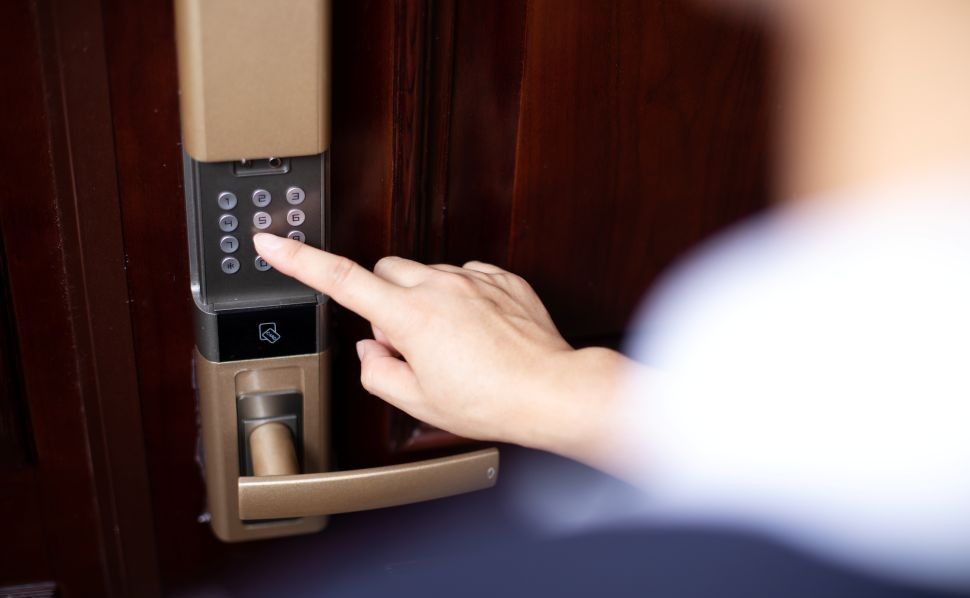
You’ll often see keypad entry used in offices, staff rooms, storerooms, small commercial sites, workshops and shared entry points where convenience is a priority. They’re especially popular in environments where issuing and managing physical cards isn’t practical.
Keypad systems perform well in low to mid risk areas. They’re affordable, easy for staff to use and reliable even in challenging conditions like dust, moisture or frequent foot traffic. For businesses that want a no fuss solution without complex hardware, keypads offer a simple and effective way to manage access.
Key Security Risks to Consider
While both systems offer strong access control benefits, each comes with potential security risks.
PIN sharing is one of the biggest challenges with keypad systems. Staff may share codes for convenience, or forget to update them regularly, which can weaken security over time. Code fatigue can also set in when users rely on overly simple or repeated PINs to make them easier to remember. Both issues increase the chance of unauthorised access.
Card reader systems have their own vulnerabilities. Lost or stolen cards can be misused if they aren’t deactivated quickly, and while modern cards use encryption, older or low grade cards may be at risk of cloning. Keeping track of issued cards and regularly reviewing user permissions is essential to maintaining a secure setup.
It’s also important to consider the hardware itself. Worn out door strikes, loose fittings or ageing electronic components can create weak points in any access control system. Even the best technology relies on well maintained physical security.
Regular maintenance and timely software or firmware updates play a major role in preventing security gaps. A system that’s monitored and updated consistently will perform more reliably, provide better protection and reduce the chances of unexpected failures or breaches.
Which Option Is Better for Different Business Types
Different workplaces have different security needs, so the right choice often depends on how each environment operates and who needs access.
Offices and corporate buildings
Card readers are usually the preferred option here because they offer detailed access control, individual permissions and clear audit trails. Larger teams benefit from the ability to assign unique credentials and quickly update access as staff roles change. Keypads can work for smaller offices, but they offer less control overall.
Warehouses, industrial sites and workshops
These environments often deal with dust, heavy use and varying shift patterns. Keypads perform well in these conditions because they’re durable and easy for rotating teams to use. Card readers are still suitable, especially when tracking access is important, but the hardware needs to be chosen carefully for tougher environments.
Retail stores and hospitality
Both systems can work, but keypad entry is often favoured for back-of-house areas due to its simplicity and low cost. Card readers are ideal when multiple access levels are needed, such as separating stockrooms, offices or cash-handling zones.
Strata and shared entry points
Card readers are generally the better choice because building managers can issue, retrieve or deactivate cards easily. They also reduce the risk of PIN codes being widely shared among residents or tenants, helping maintain stronger long term security.
High security environments
Card readers win strongly in this category. Their ability to use unique credentials, integrate with advanced systems and create detailed access logs makes them more suitable for spaces that require strict control. Keypads can be used as a secondary layer, but they aren’t ideal as the primary method in high risk areas.
Overall, the best option depends on the balance between security needs, user convenience and how much control the business wants over who enters specific areas.
Cost Factors to Keep in Mind
When choosing between card readers and keypad entry systems, it helps to think about the long term costs as well as the initial setup.
Upfront installation costs
Keypad systems are generally more affordable to install, especially for single door setups or smaller sites. Card reader systems tend to cost more due to the need for credential management hardware, wiring and control panels. The difference can be significant depending on how many doors need securing.
Ongoing management
Keypads have lower ongoing costs, but they do require regular code updates to stay secure. Card reader systems involve managing cards, issuing replacements and updating user permissions, which can take more time but offers stronger control. Software subscriptions may also apply for advanced systems.
Integration with alarm or CCTV systems
If the business plans to connect access control to alarms, intercoms or CCTV systems, card readers generally provide more flexibility. They integrate well with modern security platforms and allow central oversight. Keypads can integrate too, but with fewer features and limitations depending on the model.
Scalability as the business grows
Keypads are ideal when the setup is small and unlikely to change. Card reader systems are better suited for growth because they can scale easily, support multiple access levels and handle high user numbers. If future expansion is expected, the long term value of a scalable system is often worth the higher initial spend.
Understanding these cost factors helps businesses choose a system that not only fits their immediate needs but also aligns with their long term security plans.
How to Decide Between Card Readers and Keypads
Choosing the right access control option comes down to understanding what your site needs today and how it might change in the future.
Assessing risk level
Start by considering the level of security required. High risk areas benefit from card readers because they offer unique credentials, better tracking and stronger control. Keypads can work well for lower risk zones where convenience and simplicity matter more than detailed access logs.
Number of staff and visitors
If your site has a large team, regular contractors or frequent visitors, card readers tend to be the more practical option. They allow you to assign individual access permissions and quickly make changes as people come and go. Keypads suit smaller teams where a single shared code is manageable.
Need for reporting and monitoring
Some businesses need detailed records of who enters specific areas and when. Card readers provide reliable audit trails, which makes monitoring activity far easier. Keypads don’t offer individual tracking unless paired with additional systems, so they are less suited to environments that require strong oversight.
Physical environment
The conditions around your access points also matter. Keypads are known for their durability in dusty, wet or high traffic areas, making them ideal for workshops and industrial spaces. Card readers work well in cleaner, controlled environments such as offices or commercial buildings. Choosing hardware that suits the environment helps reduce wear, faults and ongoing maintenance costs.
By weighing these factors, it becomes much clearer which system aligns best with your security needs and day to day operations.
Final Thoughts and Next Steps
Choosing the right access control system comes down to understanding how your business operates, the level of security required and the type of environment you’re securing. Both card readers and keypad entry systems offer reliable solutions, but each shines in different situations. By weighing convenience, risk level, scalability and long term management, you can select a system that strengthens security without disrupting daily workflows.
If you’re planning upgrades or exploring new access control options, get in touch with Commercial Locksmiths Perth. A member of our team can visit your site, assess your security needs and walk you through the most suitable modern solutions for your business.
__________________
Commercial Locksmiths Perth
Phone: 08 9446 1333
Mobile: 0409 043 588




-88x87-1920w.png)